
24/7 Emergency Response · Arizona
24-Hour Slab Leak Water Damage Cleanup, Burst Pipe Extraction & Structural Drying in Peoria, AZ (85345, 85381, 85382, 85383)
Water coming up through your floor, a burst pipe in a hillside home, or an upstairs laundry flood in Peoria? Our crews serve Peoria (85345, 85381, 85382, 85383) in Maricopa County, removing water, drying concrete slabs, walls, floors and cabinets following IICRC S500 guidelines, and documenting the damage with thermal images and moisture readings. Call (480) 863-0799, 24 hours a day.
24-Hour Peoria Emergency Line: Call (480) 863-0799
24-hour emergency response · Serving all of Arizona
Our Water Damage Services in Peoria
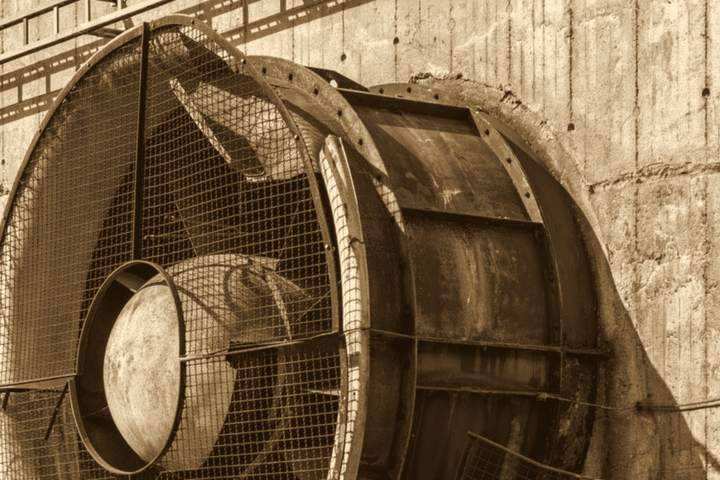
Structural Drying & Dehumidification in Peoria
dehumidification services in Peoria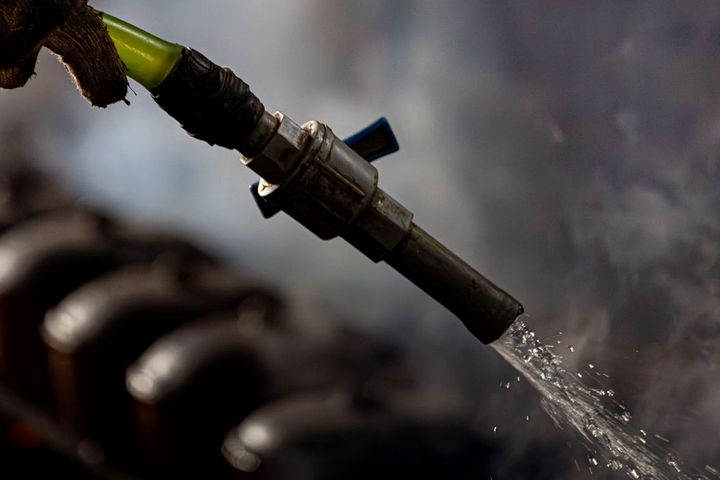
Burst Pipe & Supply Line Flood Cleanup in Peoria
polybutylene pipe flood cleanup in Peoria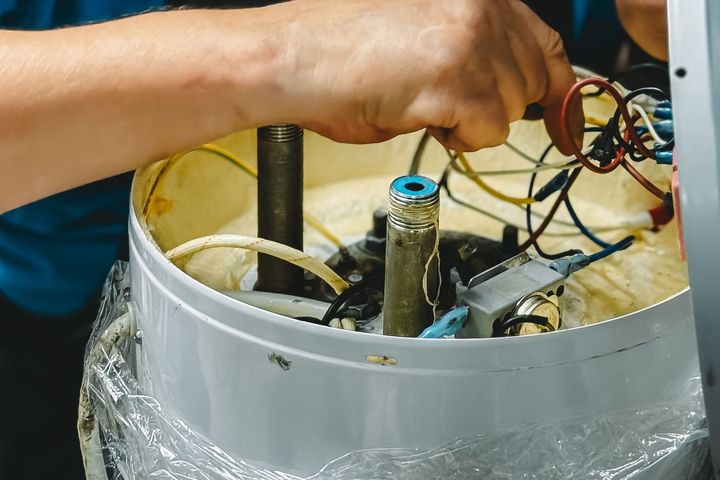
Water Heater Flood Cleanup in Peoria
water heater leak cleanup in Peoria
Wet LVP, Hardwood & Tile Floor Drying in Peoria
LVP and tile floor drying in Peoria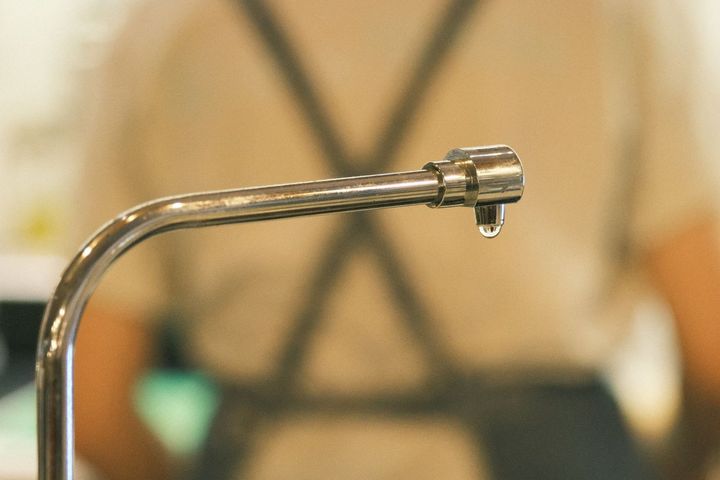
Kitchen Cabinet & Wall Cavity Drying in Peoria
cabinet and drywall drying in Peoria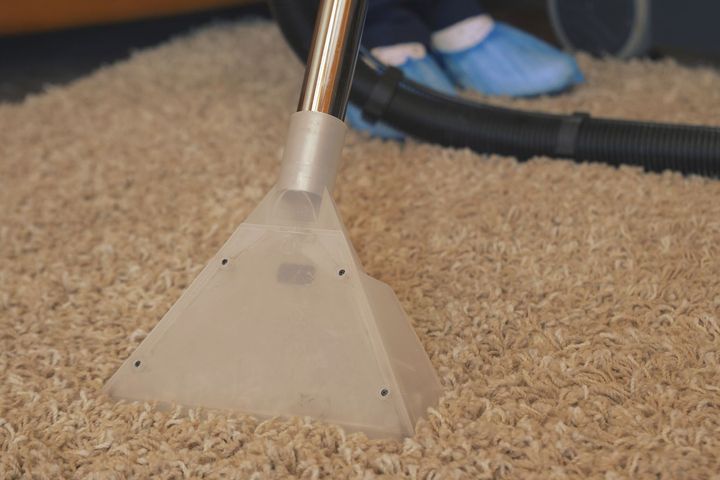
Wet Carpet & Pad Extraction in Peoria
wet carpet cleanup in Peoria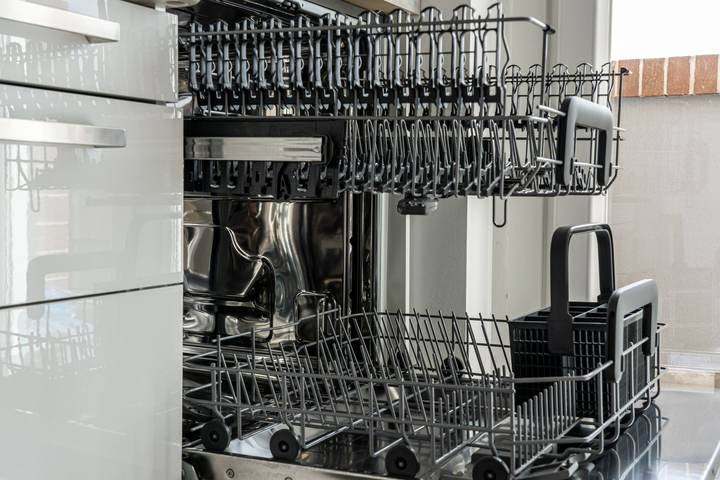
Appliance, RO Filter & Water Softener Leak Cleanup in Peoria
RO filter and water softener leak cleanup in PeoriaFirst 15 Minutes: What Peoria Homeowners Should Do
- Shut off the main water valve. It is usually on the outside wall near the front hose bib or in the garage.
- If you feel a warm spot on the floor, close the cold-water inlet valve above your water heater, and turn off any hot-water recirculation pump.
- Turn off breakers for any room with standing water or a wet ceiling.
- Leave wet LVP, carpet pad and baseboards in place until the moisture has been photographed and measured.
- Keep any failed pipe fitting, valve or hose so it can be documented.
Why Slab Leaks Happen in Peoria, AZ
Peoria stretches from older neighborhoods in South Peoria to hillside communities in the north near Lake Pleasant. North Peoria areas like Vistancia, Westwing Mountain and Terramar often have high water pressure, which can burst supply lines when a pressure regulator fails. Older homes in South Peoria often have aging copper or polybutylene pipe. The water is hard, which pits copper and scales water heaters, and many newer homes are two-story with upstairs laundry rooms.
Once water is trapped under LVP, laminate, tile or carpet, it gets almost no airflow and can lead to mold within a few days if it is not dried. We use containment, LGR or desiccant dehumidifiers and floor drying mats to bring the slab back to dry standard.
| Area | Typical Homes | Common Water Problem |
|---|---|---|
| Vistancia, Blackstone & Trilogy at Vistancia | Golf, 55+ and family homes | High-pressure surges, seasonal home leaks and recirculation slab leaks |
| Westwing Mountain, Terramar & Saddleback Heights | Hillside homes | Supply line bursts and upstairs laundry floods |
| Central Peoria (85382) | 1980s-2000s family homes | Polybutylene splits and water heater bursts |
| South Peoria (85345) | Older block and slab homes | Aging copper slab leaks and drain backups |
Burst Pipe, Water Heater & Appliance Floods in Peoria
A burst supply line can spread water through several rooms quickly. In Peoria homes, we often see:
- Supply lines and fittings bursting from high water pressure in North Peoria
- Upstairs washing machine floods leaking into the ceiling below
- Older gray polybutylene pipes splitting in walls
- Copper pinhole leaks under slabs
- Leaks in seasonal homes during the summer
We remove standing water, dry ceiling and wall cavities through small hidden ports, dry under cabinets through the toe-kick, and set up dehumidifiers until moisture readings reach dry standard.
How Our Drying Process Works
- Inspect: Thermal cameras and moisture meters show where the water has spread.
- Extract: Commercial vacuums and weighted extraction tools remove standing water.
- Save what we can: Floor mats and hidden wall and cabinet ports dry materials in place when possible.
- Dry: LGR dehumidifiers and air movers pull moisture from concrete, wood and drywall.
- Verify: We take moisture readings daily until materials reach dry standard.
Typical Cost Ranges in Peoria
| Situation | Typical Range |
|---|---|
| One-room supply line, toilet or RO leak | $1,000 to $3,000 |
| Water heater flood in a garage or closet | $1,500 to $4,500 |
| Under-slab leak affecting 1 to 2 rooms | $2,500 to $7,500 |
| Upstairs laundry flood into the floor below | $4,500 to $12,000 or more |
These are general ranges, not quotes. Your cost depends on how much area is wet, the type of flooring and how long drying takes. We give you a written estimate after we inspect.
Insurance Information for Peoria Homeowners
Many Arizona homeowners policies cover sudden water damage from a slab leak, burst pipe or appliance leak, while the pipe or appliance repair itself is usually not covered. Coverage depends on your individual policy. Depending on your situation, we may be able to help with documentation and working with your insurance company.
Frequently Asked Questions
Why do pipes and fittings burst in North Peoria homes?
Many North Peoria hillside neighborhoods have high water pressure. When a pressure regulator fails, that pressure can burst hoses, fittings, ice-maker lines and water heaters.
Why is there a warm spot on my tile or LVP floor in Peoria?
A warm patch on the floor often means a hot-water or recirculation line under the slab is leaking. Close the cold-water inlet above your water heater and call (480) 863-0799.
My upstairs washer leaked into the ceiling below. What should I do?
Turn off the breakers for the ceiling lights below, put buckets under any drips and call us. Water collects in the ceiling cavity and needs drainage and drying.
Does homeowners insurance cover slab leak damage in Peoria?
Many policies cover sudden water damage, including drying and replacing damaged floors, while the pipe repair is usually excluded. Coverage depends on your policy, so check with your insurer.
If my plumber reroutes the pipe, do I still need drying?
Usually, yes. A reroute stops new water, but water already under the slab, flooring and wall plates stays trapped and can cause mold or buckled floors if it is not dried.